Why the Source Matters
Different origins. One question.
Though sodium sulfate has uses in agriculture and food, not all of it is safe for this. Sodium sulfate is a byproduct of many industrial processes, and some companies want to put that waste into the food supply.
Sodium sulfate can be sourced naturally, though. Find out how naturally sourced sodium sulfate differs from sodium sulfate created through battery manufacturing, industrial processes, and mining, and why it’s safer.
The essential comparison
Four origins. Two evidence profiles.
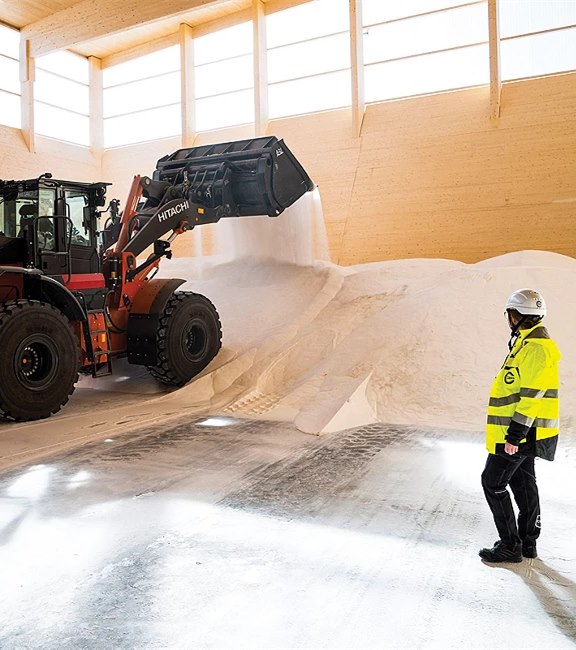
The quality of sodium sulfate can vary to a dangerous degree. Where it came from and how it was purified helps assess its usability and determines what must be investigated before it can be regarded as safe.
Natural-source sodium sulfate
Extracted from mineral deposits and natural brines
Starting point
Naturally occurring sodium sulfate-bearing deposits or brines
How is it made?
Mining or crystallization, purification
Potential concerns
Mineral variability and residual salts
Mining waste sodium sulfate
Byproduct of the mineral extraction and processing process
Starting point
Mining and mineral processing facilities
How is it made?
Created by neutralizing acid during processing and when treating wastewater
Potential concerns
Contamination by residual processing chemicals and harmful materials found in the mines such as nickel, cobalt and other metals
BASS
Created through battery manufacturing and recycling
Starting point
Factories and battery recycling facilities
How is it made?
Chemical reactions when making lithium-ion batteries, or when extracting valuable materials from recycling batteries
Potential concerns
Contamination from harmful metals and metalloids found in batteries, such as lithium and lead
Industrial waste sodium sulfate
Recovered from industrial processes
Starting point
Manufacturing, chemical, recycling or other industrial processes
How is it made?
Waste product from various industrial processes including textile production, chemical manufacturing, and more
Potential concerns
Contamination from materials used during industrial processes
The U.S. Geological Survey recognizes both natural production and byproduct production, including sodium sulfate from battery acid recycling and other chemical processes.
Why origin matters
The questions begin before purification
Recovery can turn byproduct-derived sodium sulfate into a marketable product but it doesn’t erase where that product actually came from, and the potential hazards associated with that source.
From process stream to food chain
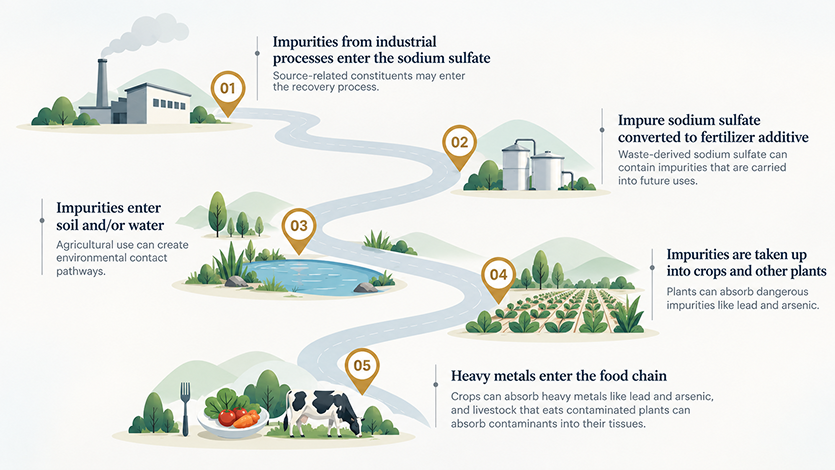
What do we know before industrial waste-derived material reaches the food chain?
This sequence illustrates one possible exposure pathway. Not every recovered product contains harmful contaminants or produces the same outcome, but different feedstocks and use cases introduce potentially dangerous variables.
The question isn’t whether recycling is valuable.
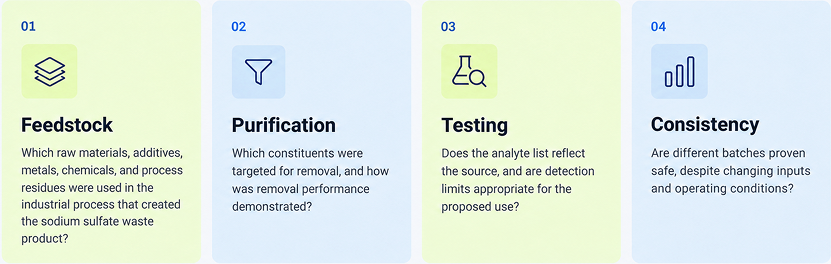
The question is whether a particular recovered material has been sufficiently characterized, purified and tested for its proposed destination.
Industrial streams in focus
Battery waste is one pathway, not the whole category
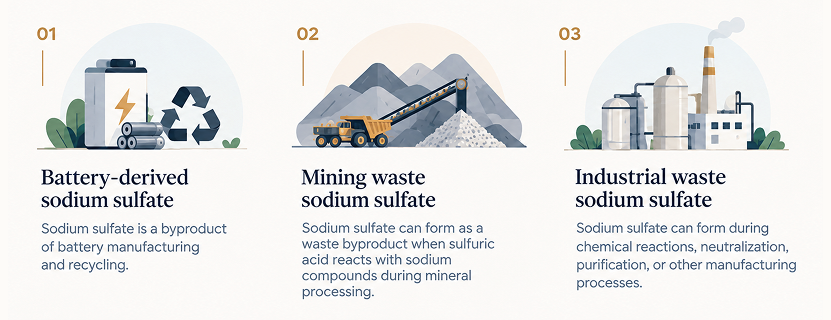
BASS refers to sodium sulfate derived from battery manufacturing and recycling. Sodium sulfate can also be a byproduct of mining, critical mineral processing, chemical manufacturing and related operations.
A credible way to assess the issue
Separate known facts from unanswered questions
Potential risks should be re-examined regularly without making presumptions based on past outcomes for a product.
What is known?
Natural and industrial byproduct pathways exist. Industrial feedstocks vary according to the originating process.
What remains unanswered?
The complete composition, purification performance and multi-batch profile of sodium sulfate may vary over time.
Potential risks?
Source-related contaminants, purification processes and unsuitable downstream use must be determined.
Frequently asked questions
The source changes the questions
Clear answers about natural sodium sulfate, industrial waste-derived material, contaminants and proposed food-chain uses.
What is the difference between natural and industrial waste-derived sodium sulfate?
Natural sodium sulfate is extracted from mineral deposits or brines. Industrial waste-derived sodium sulfate is a byproduct created by another process. Their feedstocks, processing histories, impurity profiles and evidence requirements can differ.
Can industrial waste-derived sodium sulfate contain contaminants?
Industrial waste-derived sodium sulfate can contain contaminants. The exact contaminant varies based on the industrial process it came from, the raw materials that were used in the process, the recovery method, and how it was handled.
Does the same chemical formula make the products equivalent?
No. While all sodium sulfate products will likely have sodium sulfate as the chief ingredient, the products can vary based on how the sodium sulfate was sourced.
What is BASS?
BASS is a type of sodium sulfate derived from industrial practices related to batteries. Sodium sulfate is a byproduct of producing raw materials for batteries, manufacturing batteries, and recycling batteries.
Why are agriculture and food-related uses different?
Contaminated sodium sulfate poses an environmental and public health risk if it is used in agriculture or food. Many of the potential contaminants found in BASS, mining waste sodium sulfate, and industrial waste sodium sulfate can be absorbed into plants and are harmful if consumed.
Should industrial waste-derived sodium sulfate enter the food chain?
No. BASS, mining waste sodium sulfate, and industrial waste sodium sulfate represent a risk to public health and the environment. While these forms of sodium sulfate may be usable in industrial processes, they should not enter the food chain.
Is industrial waste-derived sodium sulfate proven to be harmful?
Yes. BASS, mining waste sodium sulfate, and industrial waste sodium sulfate can all carry potential contaminants that are harmful to the environment and people.
What evidence should be available?
IMO this should be removed, it doesn’t really align with the new direction that robert wanting the site to go in.